

20 Prepper Essentials Every Beginner Should Have
Building an urban emergency kit isn’t about fear—it’s about staying functional when everyday systems fail. In cities, even short disruptions like power outages, water shutoffs, or delivery delays can quickly impact your ability to eat, stay safe, and remain comfortable. Unlike rural setups, apartment living requires a smarter, space-efficient approach to preparedness. You need compact, high-impact items that cover the basics without cluttering your home.
This guide breaks down 20 essential prepper items for apartment dwellers that are practical, affordable, and easy to store. Whether you’re preparing for blackouts, severe weather, or unexpected shortages, these essentials are designed to help you stay ready without overcomplicating the process. If you’re new to prepping or looking to upgrade your current setup, this list will help you build a reliable foundation for urban survival.
Contents
Water & Hydration
1. Water Storage Containers: Water is the absolute foundation of any emergency kit. Without clean water, survival becomes far more difficult, even over a short period. For urban preppers, space constraints mean you must carefully select containers that store water safely yet don’t take up unnecessary room. BPA-free plastic jugs with stackable designs or collapsible water bags are excellent options that make storage and rotation easy. Ensuring you have enough water for drinking, cooking, and sanitation is critical to maintaining your health and well-being during any emergency.
2. Water Purification Tablets or Filters: Simply storing water isn’t enough if the supply becomes compromised. Contamination can occur due to improper sealing, time, or exposure to harmful elements. Water purification tablets offer a low-cost, compact, and easy-to-use solution that works well for beginners. Alternatively, portable water filters allow you to purify water from questionable sources, providing an added layer of security. Having a reliable method to purify water ensures you won’t run out of safe hydration, even in prolonged emergencies.
Food & Storage
3. Non-Perishable Food: Food is your energy source during emergencies, but fresh food can spoil fast without refrigeration or power. Stocking a supply of non-perishable foods is vital to maintain nutrition and strength. Focus on items that are calorie dense, easy to prepare, and have a long shelf life, such as canned beans, rice, nuts, dried fruits, and freeze-dried meals. These foods require little to no cooking and are lightweight, making them ideal for apartment storage. Prioritizing a balanced selection helps ensure you meet your nutritional needs even when normal food sources are unavailable.
4. Food Storage Containers: Proper storage is just as important as the food itself. Airtight containers protect your supplies from moisture, pests, and spoilage, which can quickly ruin your emergency stockpile. Using stackable plastic or glass containers with tight lids not only preserves freshness but also helps keep your limited space organized and accessible. Regularly rotating your food and checking expiration dates will keep your kit ready to use when needed.
Lighting & Power
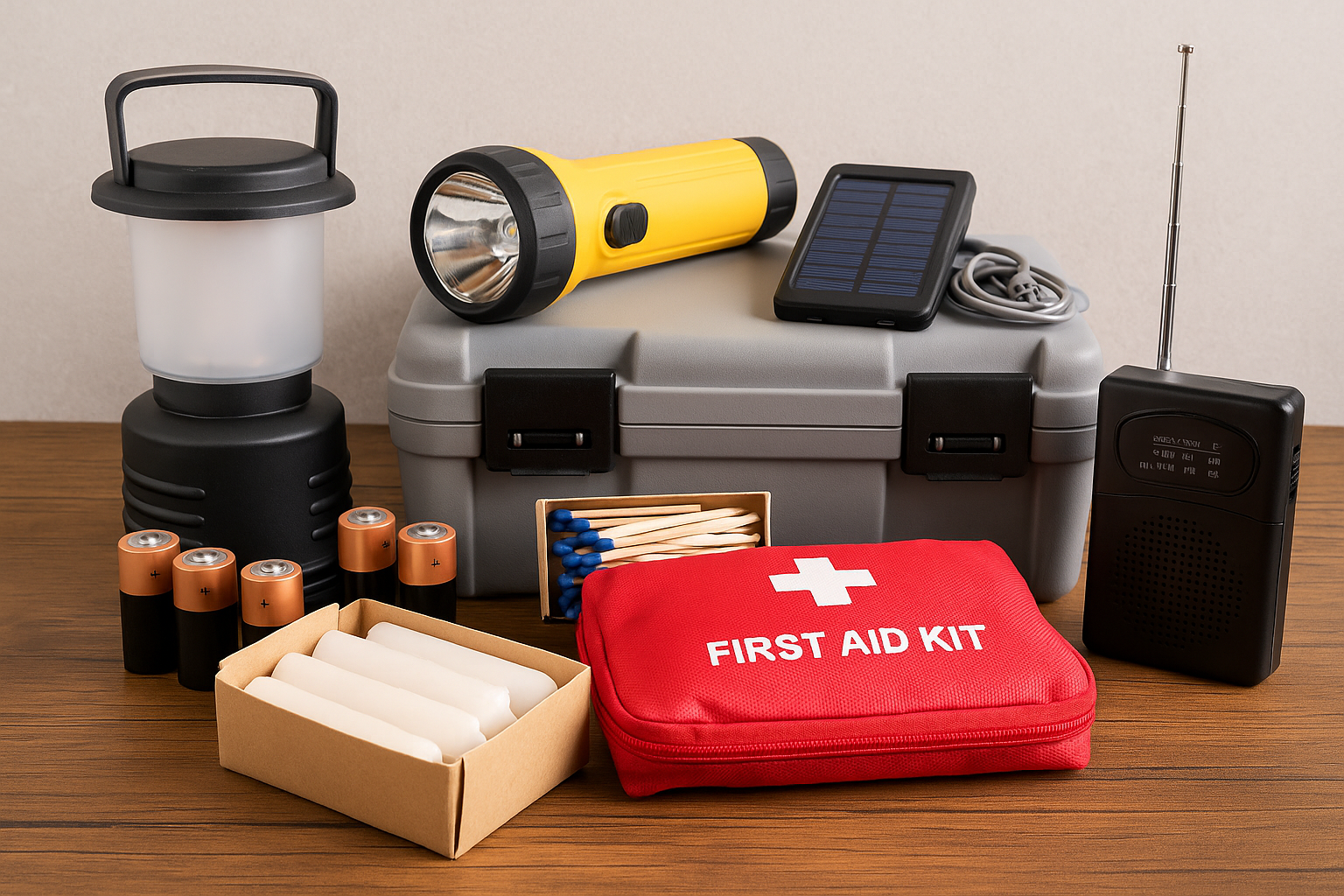
5. LED Flashlights: Power outages are a common and often unexpected challenge in urban emergencies. LED flashlights provide bright, efficient lighting that can last hours on a single battery charge. For beginners, rechargeable LED flashlights are a great investment because they reduce the need for constant battery replacement and are environmentally friendlier. Keeping multiple light sources ensures you’re not left in the dark if one fails, and having extra batteries on hand is just as important.
6. Portable Power Banks: Communication devices like phones are lifelines during emergencies, providing access to critical information and contact with loved ones. Portable power banks keep these devices charged when electricity isn’t available. Selecting a power bank with at least 10,000mAh capacity offers multiple full charges for most smartphones, making it a practical and essential item for your emergency kit. Compact and lightweight, they fit easily into backpacks or storage bins.
7. Solar Charger: Solar chargers provide a renewable power source that can be especially valuable during extended outages. Compact, foldable solar panels designed for small electronics allow you to recharge power banks and phones without relying on the grid. While initial costs can be higher than batteries or traditional chargers, solar chargers increase your preparedness and independence and are a smart addition to any urban prepper’s kit.
Communication
8. Battery-Powered or Hand-Crank Radio: Staying informed about weather and emergency updates is crucial when other communication systems fail. Battery-powered or hand-crank radios don’t rely on internet or cellular networks and can receive NOAA alerts and local news. For beginners, radios with multiple power options (batteries, crank, solar) offer the most reliability and peace of mind. This simple tool keeps you connected and aware when it matters most.
9. Whistle: A whistle is a lightweight, no-battery, no-maintenance signaling device used to attract attention or call for help. In chaotic situations where your voice might not carry far, a whistle can be heard over long distances and noisy environments. It’s a low-tech but highly effective tool to include in your kit, easily clipped to your keychain or stored inside your emergency bag.
First Aid
10. Basic First Aid Kit: Minor injuries such as cuts, scrapes, burns, or insect bites are common during emergencies and can worsen if untreated. A well-stocked first aid kit enables you to manage these small medical issues promptly and prevent infection. For beginners, purchasing a pre-assembled kit is the simplest way to ensure you have all essentials, including bandages, antiseptics, pain relievers, and medical tape. Don’t forget to add any personal medications or allergy treatments specific to your needs.
11. Face Masks and Gloves: Protecting yourself from germs and contaminants is especially important in close-quarter living situations or during pandemics. Disposable face masks and nitrile gloves reduce the risk of infection transmission when cleaning, caring for others, or moving through crowded areas. Including these items in your kit enhances your overall health safety during prolonged emergencies.
Safety & Protection
12. Fire Extinguisher: Fires can start quickly and spread rapidly in apartment buildings due to close proximity and shared walls. Having a compact, ABC-rated fire extinguisher on hand allows you to respond immediately to small fires, potentially saving lives and property. It’s important to know how to operate the extinguisher safely and regularly check its pressure and condition to ensure readiness.
13. Pepper Spray (where legal): Personal safety is a concern for many urban residents. Pepper spray provides a non-lethal self-defense option that can help deter attackers or aggressive animals. Before including pepper spray in your kit, verify your local laws regarding possession and use. Practice handling it responsibly to ensure you can deploy it effectively and safely if needed.
Tools & Miscellaneous
14. Multi-Tool: A compact multi-tool is one of the most versatile emergency items you can own. It combines several functions—pliers, knives, screwdrivers, scissors, and more—into a single portable device. This tool can assist with repairs, food preparation, and countless other tasks, making it invaluable for urban prepping. Beginners should choose models with essential features that fit their specific needs and skill level.
15. Duct Tape: Known for its incredible versatility, duct tape can be used to patch leaks, secure broken items, seal containers, or even fashion temporary fixes for clothing or gear. Keeping a small roll in your emergency kit gives you a flexible solution for a wide array of unexpected problems that may arise during an emergency.
16. Emergency Blanket: Emergency blankets are ultra-light and compact, designed to retain body heat in cold or shock conditions. Their reflective material helps preserve warmth and can also be used as shelter or signaling devices. For apartment dwellers, foil-type blankets are ideal because they take up minimal space but offer maximum protection in an emergency.
17. Notepad and Waterproof Pen: Writing down important information, leaving messages for family members, or keeping track of supplies can be invaluable during a crisis. Choose a durable, weather-resistant notepad and waterproof pen that can withstand damp or rough conditions. This simple tool helps maintain communication and organization when other devices may fail.
18. Zip Ties: Zip ties are inexpensive, lightweight, and incredibly strong fasteners that can be used for quick repairs, organizing gear, securing items, or improvising solutions. A pack of assorted sizes ensures you have the right size for various tasks, making them a handy addition to any emergency kit.
19. Plastic Sheeting: Plastic sheeting serves many purposes, including creating improvised shelter, protecting belongings from water damage, or acting as a windbreak. A clear 6×8-foot tarp is compact enough for apartment storage but large enough to be highly functional. Versatile and inexpensive, plastic sheeting is an essential multipurpose item.
20. Rechargeable Batteries: Rechargeable batteries offer a sustainable way to power your flashlights, radios, and other small devices. Investing in a charger compatible with AA and AAA batteries allows you to maintain power without constantly buying disposables. This reduces waste and ensures your devices remain ready to use over long-term emergencies.

Urban Prepper Tips
Space-Saving Ideas: Living in an apartment means limited space, so you need to get creative with storage. Utilize vertical shelving, stackable containers, and collapsible gear to maximize every inch. Multi-use items reduce clutter and add functionality, helping you maintain a streamlined emergency kit without overwhelming your living area.
Budget Tips: Prepping doesn’t require an immediate large investment. Start with the most critical essentials and build your kit gradually. Look for sales, buy quality used gear when appropriate, and consider joining prepping communities for resource sharing. Thoughtful purchasing helps you stay financially comfortable while steadily improving readiness.
Avoid Over-Prepping: More isn’t always better. Overpacking your apartment with unnecessary items can create stress and reduce your ability to access what you actually need. Focus on practicality and tailor your kit to your lifestyle and space constraints. A well-organized, manageable kit is far more effective than a cluttered one.
Conclusion
Starting with these 20 prepper essentials will give you a clear, practical foundation for beginner prepping tailored to urban living. Building your kit over time allows you to avoid overwhelm and ensures you focus on quality over quantity. Remember, emergency preparedness is about confidence, control, and peace of mind—not panic or excess.
If you want to simplify the process, consider ready-made kits from Fortify Outpost, designed specifically for apartments and urban preppers. These kits save time and provide thoughtfully curated essentials so you can start prepared and stay ready.
FAQ
How much water do I really need for 72 hours?
The standard recommendation is one gallon per person per day, which covers both drinking and basic sanitation. For one person over three days, that’s three gallons total. If you have pets, add extra for them too.
What’s the difference between a go-bag and a home kit?
A home kit contains bulkier supplies for sheltering in place—larger water containers, more food, extra clothing, and comfort items. A go-bag is a lightweight, portable version with just the essentials you’d need if you had to evacuate immediately, like water pouches, snacks, documents, and a flashlight.
Where should I store my emergency kit in a small apartment?
Ideal spots include under the bed, in a hall closet, inside an ottoman with storage, or stacked in a corner of a coat closet. Use backpacks or stackable bins to keep things compact and organized. Just make sure it’s accessible, not buried behind other items.
How often should I update my emergency kit?
Check your kit every six months. Replace expired food and medications, swap out seasonal clothing as needed, and test batteries and flashlights to ensure everything works. Align the schedule with daylight saving time changes to make it easy to remember.