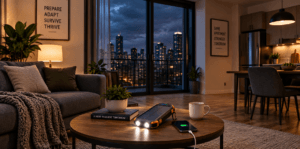

Prepper Storage Ideas for Small Apartments: Maximize Your Space, Maximize Your Preparedness
You don’t need a sprawling home to be prepared for emergencies; even small apartments offer ample opportunities for clever storage of essential supplies.
This guide is designed for apartment dwellers who want to build a robust emergency preparedness plan without sacrificing precious living space. We’ll explore innovative storage solutions, multi-use furniture, and often-overlooked areas to help you create a secure and functional prepper cache, ensuring you can access critical items quickly and discreetly.
Contents
- The BLUF: Apartment Prepping is Achievable
- Entity Map: Key Concepts for Small-Space Preparedness
- Why Smart Storage is Crucial for Apartment Preppers
- Maximizing Vertical Space: Your Apartment’s Secret Weapon
- Hidden Compartments & Disguised Storage: The Art of Stealth
- Multi-Use Furniture: Double Duty for Survival
- Information Gain: What Most Articles Miss: The “Micro-Zone” Strategy
- Common Mistakes to Avoid in Apartment Prepper Storage
- Troubleshooting: When Space Becomes a Real Problem
- FAQ: Your Apartment Prepping Questions Answered
The BLUF: Apartment Prepping is Achievable
Living in a small apartment doesn’t mean you have to compromise on preparedness; you can effectively store emergency supplies by leveraging often-overlooked spaces and employing clever storage strategies. This guide provides actionable ideas for apartment dwellers to maximize their limited square footage for storing food, water, and essential gear discreetly and accessibly.
Entity Map: Key Concepts for Small-Space Preparedness
Core Entity: Apartment Prepper Storage – The strategic organization and concealment of emergency supplies within confined living spaces, prioritizing space efficiency, accessibility, and discretion.
Related Entities: Vertical space, hidden compartments, multi-use furniture, micro-zones, water storage, pest-proofing, stock rotation, bug-out bag, 72-hour kit.
Why Smart Storage is Crucial for Apartment Preppers
Gear you can’t find or access in an emergency is effectively useless, making smart storage paramount for apartment preppers. In small living spaces, where every inch counts, preparedness isn’t just about accumulating supplies; it’s about strategically integrating them into your daily life without sacrificing functionality or aesthetics. Effective apartment prepper storage must meet three critical criteria: accessibility, discretion, and preservation.
- Accessibility: In a blackout or sudden evacuation, critical items like first-aid kits, flashlights, and water must be reachable within moments, even in the dark. This means organizing your supplies logically and knowing exactly where everything is.
- Discretion: Visible stockpiles can invite judgment, unwanted questions from neighbors, or even theft. Smart storage ensures your preparedness efforts remain private, blending seamlessly with your home décor or being completely out of sight.
- Preservation: Apartment environments can pose threats like fluctuating temperatures, humidity, and pests. Your storage choices must protect your supplies from these elements to ensure their longevity and effectiveness when you need them most.
Maximizing Vertical Space: Your Apartment’s Secret Weapon
One of the most underutilized dimensions in any apartment is height. Most people focus on floor-level storage, leaving valuable wall space from waist height to the ceiling untapped. By thinking vertically, you can dramatically increase your storage capacity without taking up any additional floor space.
Takeaway: Utilize wall-mounted shelving systems and over-door organizers to reclaim unused vertical real estate for your prepper supplies.
Explanation: Standard furniture and floor-level storage leave significant unused space between shoulder height and the ceiling. Wall-mounted shelves, adjustable closet systems, and clever use of door backs can transform these neglected areas into highly functional storage zones.
Examples & Implementation:
- Wall-Mounted Shelving: Install sturdy floating shelves or track-based systems on an unoccupied wall. These can hold canned goods, sealed water containers, or bins of smaller supplies. For renters, consider adjustable tension-mounted shelves that don’t require drilling.
- Over-Door Organizers: Heavy-duty fabric or plastic organizers that hang on the back of closet doors, bathroom doors, or even your bedroom door are fantastic for smaller items. Think flashlights, batteries, tools, hygiene kits, and first-aid supplies. The back of a single bedroom door can hold 15-20 pounds of essential gear.
- Closet Shelf Risers/Stackers: If you have a closet with tall shelves, add shelf risers or stackable units to create multiple levels. This effectively doubles or triples the storage capacity within the same closet footprint, ideal for dry goods, medical supplies, or smaller gear bins.
- Ceiling-Mounted Pulley Systems: While often seen in garages, these can work in apartments with higher ceilings (9 feet or more). Install one in a walk-in closet or even a corner of a room to store less frequently accessed items like seasonal gear or bug-out bags.
Hidden Compartments & Disguised Storage: The Art of Stealth
The most effective prepper storage solutions are the ones nobody notices. Disguising your emergency supplies as everyday items or utilizing hidden spaces within your apartment is key to maintaining discretion and preventing unwanted attention.
Takeaway: Employ decoy containers and identify/utilize hidden architectural voids to store critical items out of sight.
Explanation: The goal is to make your prepper cache invisible to casual observers, landlords, or maintenance staff. This can involve items that look like regular decor or cleverly accessing often-ignored structural nooks.
Examples & Implementation:
- Hollow-Book Safes & Decoy Containers: Purchase or create hollow books that can sit on your bookshelf, ideal for storing small valuables like cash, USB drives with important documents, or emergency medication. Many decorative items, like faux electrical outlets or wall clocks, also come with hidden compartments.
- Under-Furniture Space: Beyond under-bed storage, consider the space behind or under heavy furniture like dressers or bookshelves. Flat items like water bladders, rolled-up sleeping bags, or document tubes can be stored here.
- Kitchen Kick Plates & Cabinet Voids: Many kitchen cabinets have unused space behind the decorative kick plate at the bottom. A removable, magnetic kick plate can conceal flat items like water purification tablets, essential contact lists, or emergency cash. Similarly, the dead space at the back of deep cabinets can be utilized.
- Closet Floor Panels: For renters who can’t modify walls, a removable, hinged panel on the floor of a closet can conceal a significant stash. This requires a bit more DIY but offers excellent concealment for bulkier items.
Multi-Use Furniture: Double Duty for Survival
In a small apartment, every piece of furniture should serve more than one purpose. Integrating your prepper needs with your daily living essentials through multi-functional furniture is a smart and space-saving approach.
Takeaway: Invest in furniture that offers hidden storage or can be repurposed to hold emergency supplies.
Explanation: Instead of acquiring separate storage units, select furniture that naturally incorporates storage, making your prepper cache an integrated part of your living space.
Examples & Implementation:
- Storage Ottomans and Benches: These are arguably the most versatile pieces for apartment preppers. A living room ottoman can discreetly hold a 72-hour emergency kit, complete with food, water, a first-aid kit, and a portable power bank. An entryway bench can store grab-and-go bags, gloves, and ponchos.
- Bed Frames with Built-In Drawers: Platform beds with integrated drawers offer dust-protected, organized storage for bulk supplies like water bricks, food bins, tools, or medical kits. Assigning each drawer a specific category (water, food, tools, medical) enhances organization.
- Lift-Top Coffee Tables and Side Tables: These provide hidden compartments perfect for storing maps, radios, batteries, smaller tools, or a secondary first-aid kit. Opt for designs that blend in with your existing decor.
- Bookshelves with Concealed Storage: Use decorative baskets or fabric bins that fit within bookshelf cubbies to store smaller prep items. For added stealth, consider a bookshelf where the lower shelves are actually hinged doors leading to a hidden compartment.
Information Gain: What Most Articles Miss: The “Micro-Zone” Strategy
While most guides focus on general areas like “under the bed” or “closets,” they often overlook the power of “micro-zones”. This strategy involves breaking down your storage into tiny, hyper-organized pockets throughout your apartment, making items incredibly accessible and allowing for better preservation. Instead of one large, potentially overwhelming stash, you have several small, dedicated areas for specific categories.
Takeaway: Implement a “micro-zone” strategy by dedicating small, specific areas within furniture, rooms, or even containers for distinct types of emergency supplies.
Explanation: This approach goes beyond simply filling a large bin. It’s about creating hyper-organized, easily retrievable pockets of supplies. For example, a specific drawer in a desk for communication gear, a section of a kitchen cabinet for sanitation supplies, or a compartment in an ottoman for immediate medical needs.
How it Works & Why It’s Unique:
- Enhanced Accessibility: When you know precisely which drawer holds your immediate medical needs or which compartment has your flashlight and batteries, you save critical time in an emergency. This is far more efficient than rummaging through a large, multi-purpose bin.
- Improved Preservation: By storing items in their appropriate micro-zones, you can better control their environment. For instance, batteries might go in a cool, dry desk drawer, while water purification tablets could be in a climate-stable kitchen cabinet. This prevents items from degrading due to proximity to unsuitable conditions.
- Psychological Benefit: Having small, organized “kits” (e.g., a “communication kit,” a “sanitation kit”) within your apartment can be less daunting than managing one massive stockpile. It makes preparedness feel more manageable.
Examples:
- Desk Drawer: Dedicate one drawer to communication tools: a charged power bank, spare charging cables, a hand-crank radio, extra batteries for your headlamp, and a laminated emergency contact list.
- Kitchen Cabinet (Upper Shelf): Store hygiene and sanitation supplies here: biodegradable soap, hand sanitizer, toilet paper, feminine hygiene products, and small bags of kitty litter/sawdust for emergency toilet use.
- Ottoman Compartment: Keep a “72-Hour Survival Kit” here: non-perishable snacks, a small first-aid kit, a multi-tool, a headlamp, and a small water bottle.
- Bookcase Nook: Use attractive boxes or even hollowed-out books to store important documents, cash, or USB drives containing digital backups.
This micro-zone strategy ensures that while your overall stash might be spread out, each component is organized for immediate access and optimal preservation, a level of detail rarely found in broader apartment storage guides.
Common Mistakes to Avoid in Apartment Prepper Storage
Even with the best intentions, some common errors can undermine your apartment preparedness efforts. Being aware of these pitfalls can save you time, money, and ensure your supplies are actually usable when needed.
Takeaway: Avoid common mistakes like neglecting water storage, underestimating pest control, and not rotating supplies.
Explanation: Focusing solely on food or gear while overlooking water, failing to secure supplies from pests, or letting items expire are critical oversights that can render your efforts moot.
Mistakes & Solutions:
- Underestimating Water Needs: Water is heavier and bulkier than food, and you can’t survive as long without it. Many apartment dwellers focus on food and forget sufficient water. Solution: Prioritize water storage using space-efficient methods like WaterBricks, WaterBOBs, or frozen bottles.
- Ignoring Pest-Proofing: Apartments can be prone to rodents, insects, and pantry moths. Cardboard boxes and opened packaging are invitations for pests to damage your supplies. Solution: Store dry goods in sealed plastic buckets, Mylar bags with oxygen absorbers, or sturdy glass jars. Keep items elevated off the floor where possible.
- Failure to Rotate Stock: Canned goods and packaged foods have expiration dates. Storing items and forgetting to use them before they expire means you’ll have useless supplies when you need them most. Solution: Implement a “First-In, First-Out” (FIFO) system. Label items with purchase dates and use older items first, replacing them with new purchases.
- Over-reliance on Non-Permanent Solutions: While essential for renters, sometimes non-permanent solutions are chosen over more robust, albeit still removable, options. For example, relying solely on over-door organizers for heavy items. Solution: Use a mix of non-permanent and semi-permanent (but removable) solutions, ensuring the weight capacity of any hanging storage is appropriate for the items stored.
- Haphazard Organization: While discretion is key, a lack of organization within your hidden storage can lead to chaos and inability to find items quickly. Solution: Use clear labels (even on the inside of containers or on masking tape), color-coding, and an inventory list (digital and hard copy) of what you have and where it’s stored.
Troubleshooting: When Space Becomes a Real Problem
Even with the most creative solutions, the sheer volume of supplies needed for longer-term preparedness can feel overwhelming in a truly small apartment. If you’re struggling to find space, consider these advanced troubleshooting steps.
Takeaway: If space is severely limited, prioritize essentials, leverage external storage if possible, and consider rotating your stockpile more aggressively.
Explanation: When your apartment feels genuinely full, you need to get ruthless with prioritization and explore every possible storage avenue, even those slightly outside the immediate living space.
Troubleshooting Steps:
- Extreme Prioritization: Re-evaluate what you truly need. For a 72-hour kit, focus on immediate survival: water, a few high-calorie meals, a first-aid kit, flashlight, and a way to communicate. For longer-term storage, focus on calorie density and shelf stability.
- Utilize “Borrowed” Space: Vehicles (with insulated containers), trusted friend/family storage, or a small climate-controlled storage unit (last resort).
- Aggressive Stock Rotation: Maintain a shorter-term, highly accessible supply (e.g., 1-2 weeks) and be prepared to source more locally if a longer-term situation arises.
- Deconstruct and Digitize: Scan bulky manuals and guides, use vacuum-sealed bags for clothing/bedding.
- Focus on “Kit” Building: Assemble complete, grab-and-go kits (bug-out bag, sanitation kit, comprehensive first-aid kit) and store them in designated micro-zones.
Step-by-Step Block: Creating an Under-Bed Storage Micro-Zone
- Assess Clearance: Measure the height between your bed frame and the floor.
- Select Containers: Choose low-profile, sturdy rolling bins or flat storage containers that fit the clearance.
- Categorize Supplies: Group similar items (e.g., food, water pouches, medical kits).
- Organize Within Bins: Use smaller containers or bags to group items within the main bins. Label everything clearly.
- Load Containers: Place grouped supplies into the selected bins.
- Slide Under Bed: Carefully slide the filled containers under your bed.
- Inventory: Record what you have stored and its location.
Quick Comparison Block: Multi-Use Furniture for Storage
| Furniture Type | Primary Use | Storage Capacity (Approx.) | Best For | Stealth Level |
|---|---|---|---|---|
| Storage Ottoman | Seating/Footrest | 30-60 lbs | 72-hour kits, first aid, documents | High |
| Storage Bench | Seating (Entryway/End-of-bed) | 30-60 lbs | Grab-and-go bags, shoes, seasonal gear | High |
| Bed Frame w/ Drawers | Sleeping | 200+ lbs (multiple drawers) | Bulk food, water bricks, tools, medical items | Very High |
| Lift-Top Coffee Table | Coffee Table | 10-20 lbs | Maps, radios, batteries, small tools | High |
| Bookshelf w/ Cubbies | Display/Storage | Varies by cubby | Packaged goods, hygiene kits, small gear bins | Moderate |
FAQ
What are the absolute must-have items for apartment prepper storage?
For apartment dwellers, prioritize water (1 gallon per person per day), non-perishable, calorie-dense food, a robust first-aid kit, essential sanitation supplies, a reliable flashlight/headlamp with extra batteries, a multi-tool, and important documents. Focus on compact, long-lasting items that fit your chosen micro-zones.
How can I store water in a small apartment without taking up too much space?
Utilize space-saving containers like WaterBricks (3.5-gallon stackable) that fit under beds or in closets. A WaterBOB bathtub liner can provide 100 gallons in an emergency. Frozen water bottles also double as ice packs and provide drinking water as they melt.
Is it safe to store food in my apartment, considering potential pests?
Yes, but only if you take precautions. Store dry goods like grains and pasta in airtight, pest-proof containers such as sealed buckets, Mylar bags with oxygen absorbers, or sturdy glass jars. Avoid storing food in original cardboard packaging. Keep storage areas clean and elevated if possible.
How much food and water should I realistically aim to store in an apartment?
Aim for a minimum of a 72-hour supply (3 days) for each person. For apartment dwellers, a 1-2 week supply is achievable with smart storage. Longer durations become challenging due to space and weight constraints, requiring more aggressive rotation or external solutions.
Can I use my balcony for storage?
Balconies can offer limited storage, but be mindful of weather exposure (extreme heat/cold can damage supplies), building regulations (some prohibit storage), and security. It’s best for items that can withstand temperature fluctuations or are kept in completely sealed, weather-proof containers.
What’s the best way to organize my emergency supplies in hidden locations?
Create an inventory list (digital and hard copy) detailing what items you have and precisely where they are stored. Use clear, waterproof labels on all containers. Grouping items into specific “kits” (e.g., first-aid kit, sanitation kit, communication kit) within your chosen micro-zones aids in quick retrieval.
How do I ensure my hidden prepper supplies don’t become a fire hazard?
Avoid storing flammable materials like excessive amounts of fuel or large quantities of candles in enclosed spaces. Opt for LED lighting over open flames. Ensure any stored items are not blocking fire exits or sprinkler systems. When using furniture with hidden compartments, ensure they are well-ventilated if storing anything that could generate heat.